TRUFA ORIGINALS / 2026
GRAVITA
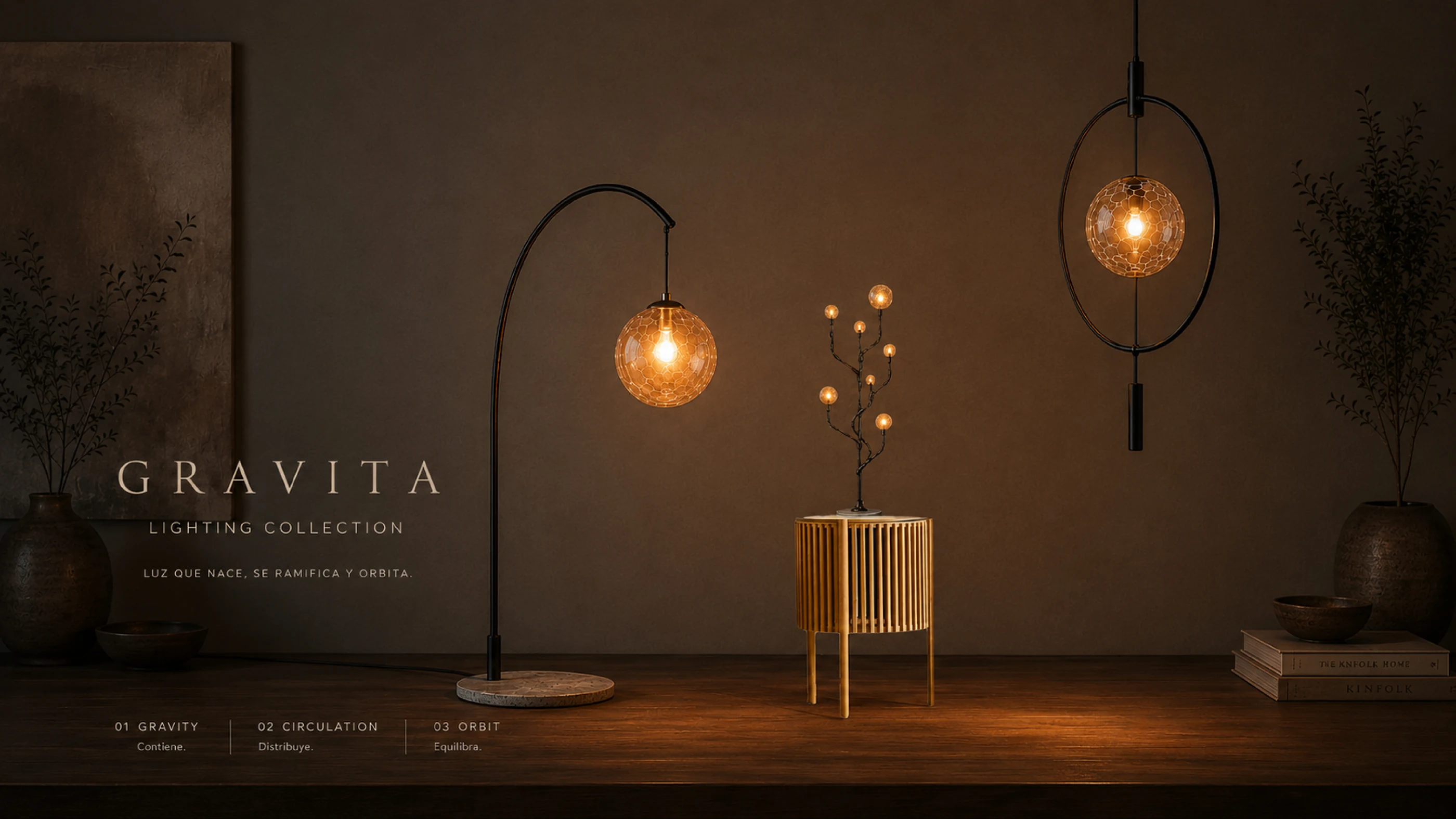
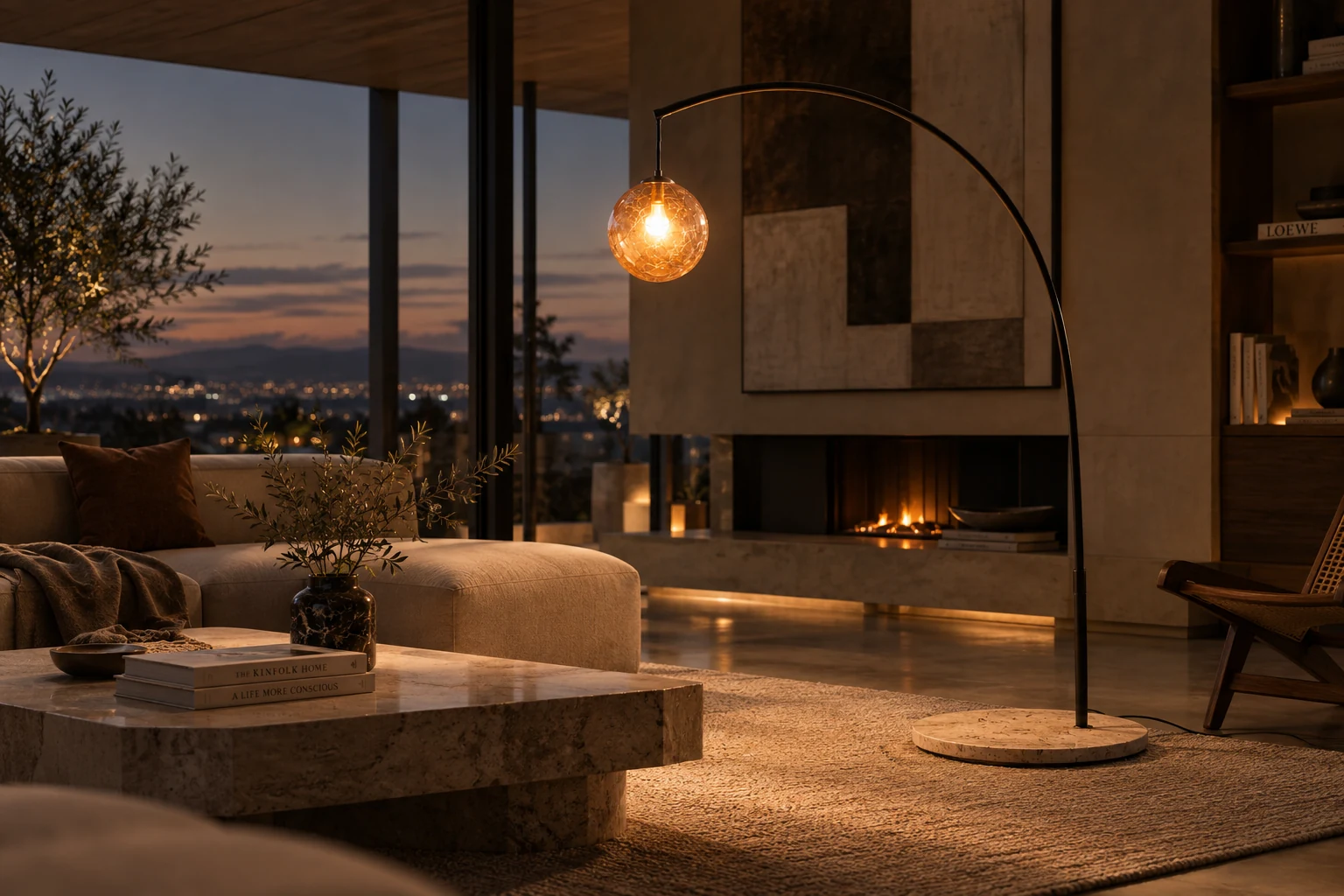
A lighting collection in which light becomes a material presence: contained, suspended and distributed through structures defined by gravity, mass and balance.
The collection
Three ways of giving light a physical presence.
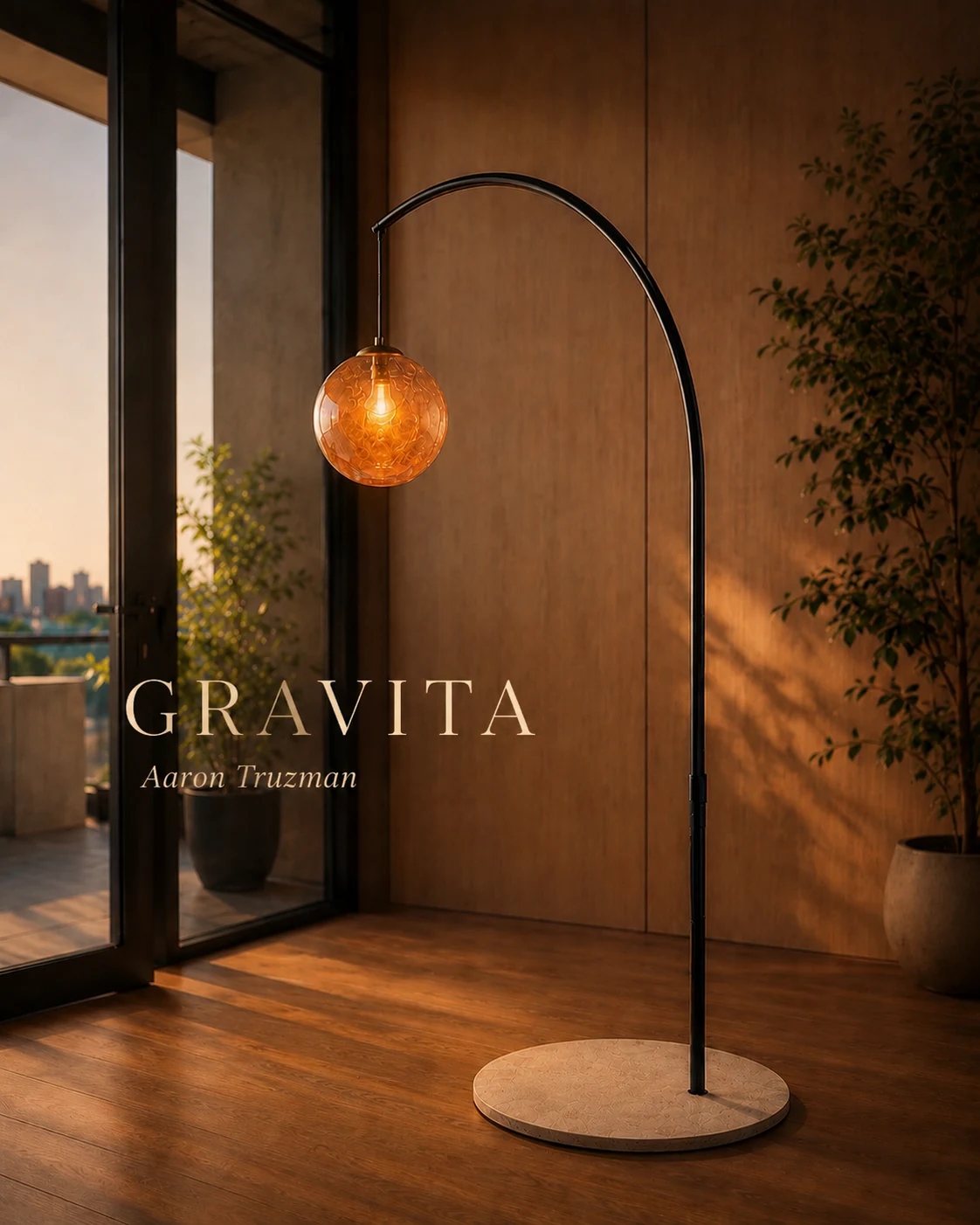
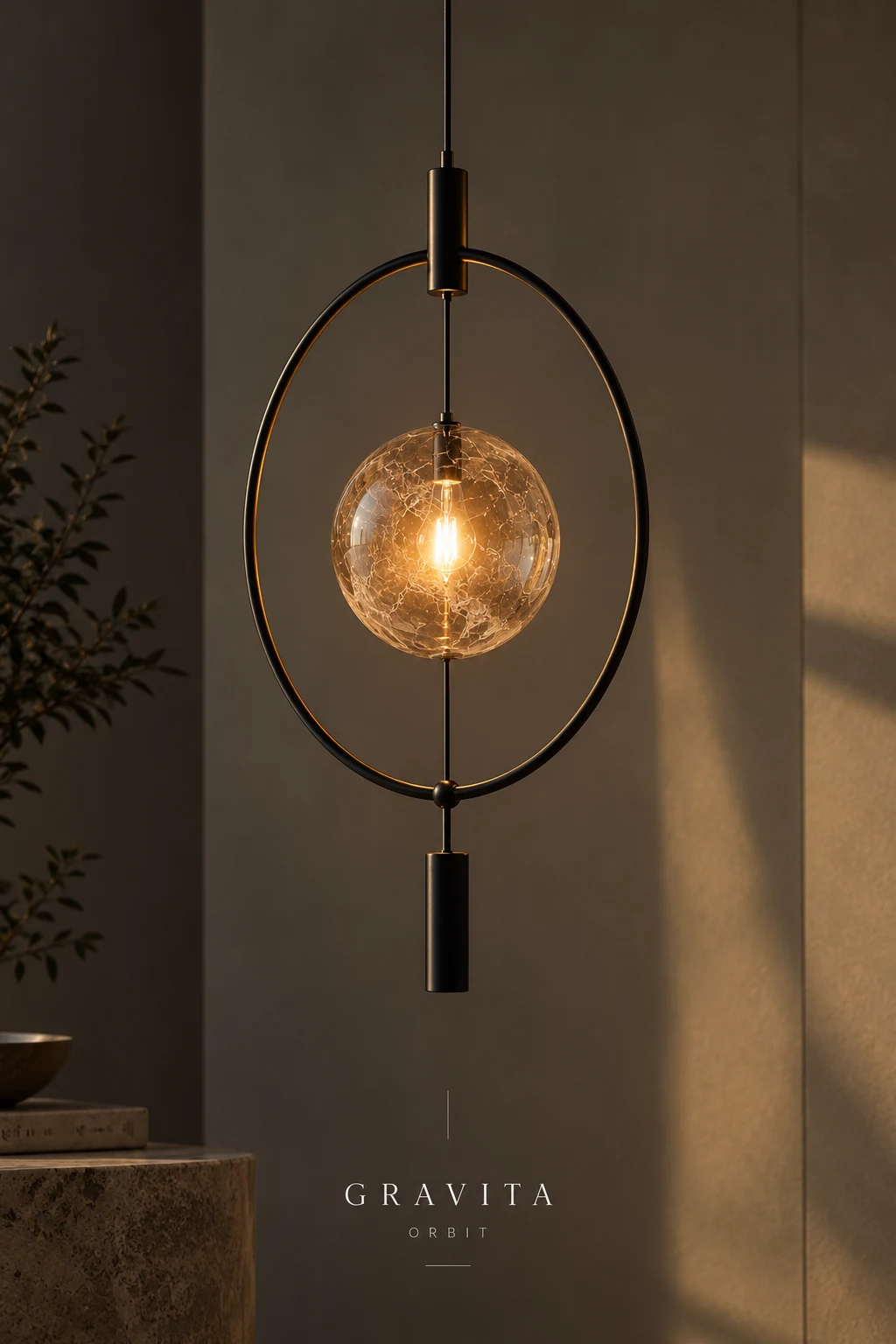
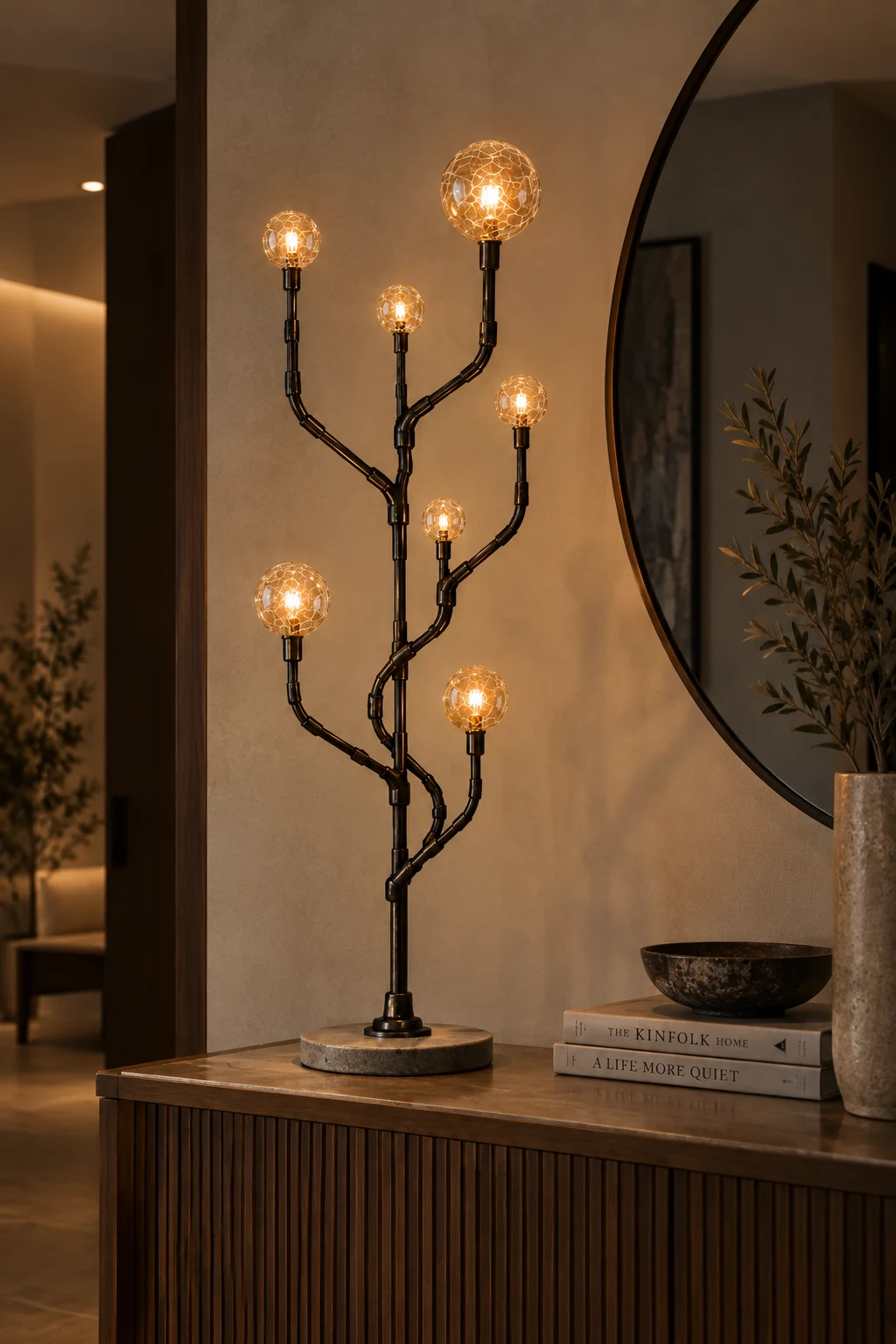
GRAVITA
Light is not treated as an effect, but as a body in tension with the materials that support it.
Metal defines the trajectory. Stone anchors the system. Glass and resin turn the luminous sphere into a visible mass. Each piece translates the same language into a different spatial condition.
Material language
A restrained palette where weight, texture and translucency do the work.
Campaspero
Natural Spanish limestone, deliberately left tactile and unpolished.
Metal
Dark structural tubing and machined connectors.
Glass
A transparent envelope that makes light physically legible.
Resin + mica
Bronze mica and pearl pigment create a mineral, luminous surface.
Designed in Madrid
Objects with a strong spatial presence.
GRAVITA sits between product, lighting and collectible design. The collection is conceived for residential, hospitality and contract interiors, with a focus on material character and repairable construction.
About the designer →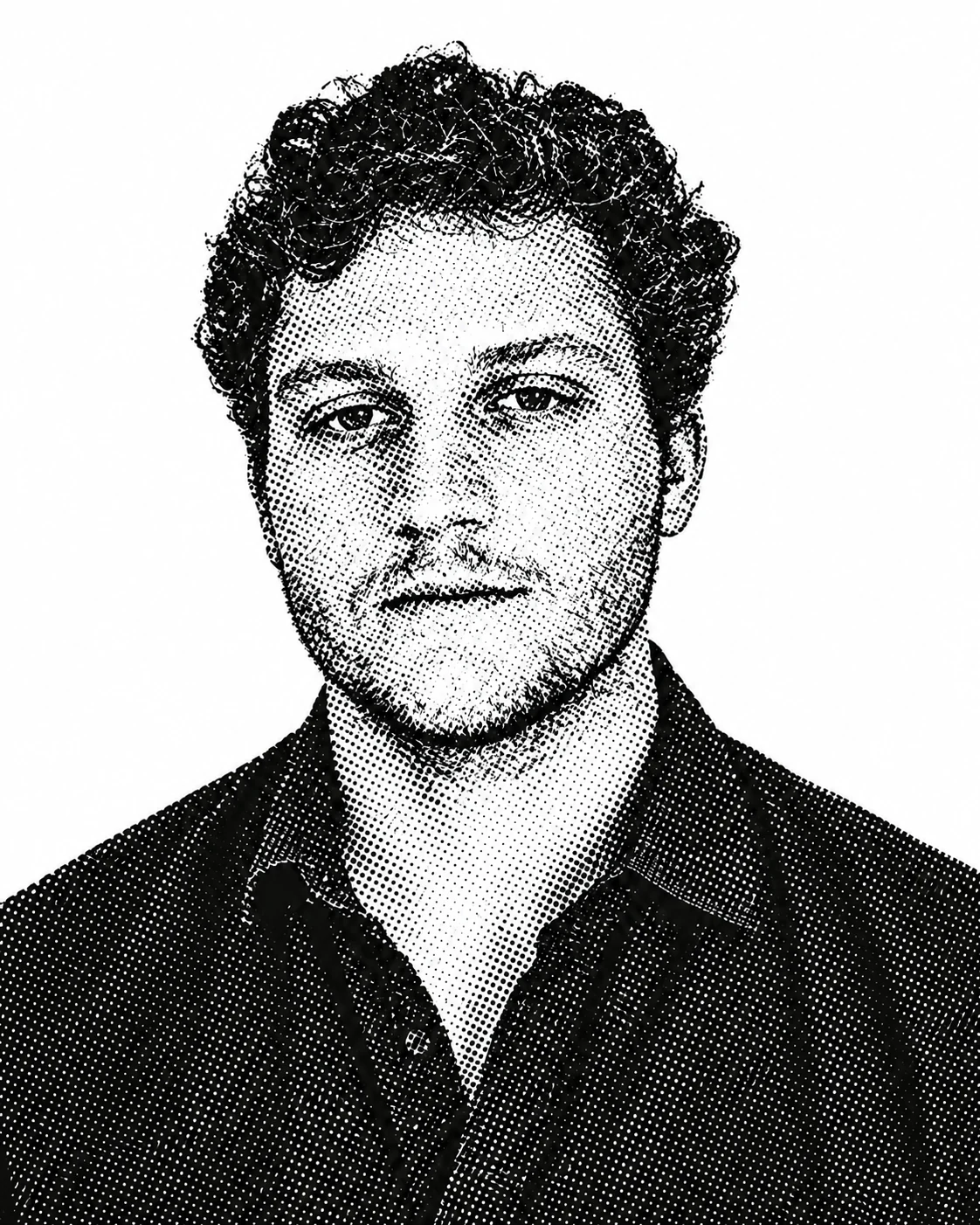
Designer
Aaron Truzman
Madrid-based product designer working across lighting, technology and physical product development.
Currently completing Product Design studies at UDIT, his practice combines concept development, 3D modelling, prototyping and manufacturing. His work is driven by the relationship between material, structure and user experience, with a particular interest in objects that make their construction visible.
GRAVITA brings those interests into lighting: stone, metal, glass and resin are treated not as finishes, but as active parts of the design language.
Full biography →